
During one debut, the celebrant’s family planned a surprise video message from relatives living abroad. Everyone knew about it except the photography and video team.
When the lights dimmed, the photographers were documenting the dessert table in another part of the ballroom. They returned quickly, though the debutante’s first reaction had already passed.
The family still received beautiful coverage. That one missed expression, however, reminded everyone why communication matters.
Your photographer can study the program, watch the crowd, and anticipate common traditions. But they still need your help to recognize the moments that carry personal meaning.
This event photography checklist Philippines guide explains how to prepare for your event photography without turning your event planning into another stressful project. You will learn what to send, what to organize, and what to discuss before your coverage team arrives.
Your Coverage Team Needs More Than an Event Date
Professional photographers prepare before they press the shutter. They study the schedule, assess the venue, identify key people, and plan where each team member should stand.
Without a clear brief, the team must make decisions while guests are arriving and the program is moving. That can lead to rushed transitions, missing family members, and incomplete detail photographs.
Filipino celebrations can be especially busy. A wedding may move from a hotel to a church and then to a reception venue. A debut can include 18 roses, 18 candles, performances, speeches, and several outfit changes. A corporate program may have awards, product reveals, and executive portraits within the same hour.
A thoughtful pre event coverage checklist gives your team a clear view of the day. It also helps you receive better value from the coverage package you booked.
1. Build a Detailed Event Timeline
Start with a complete schedule. Your coverage team needs to know what will happen before, during, and after the formal program.
The timeline should contain more information than the program given to guests. Include preparation, travel, portraits, supplier setup, and all other important activities.
Include exact times and locations
Write down the planned start and end time for each segment:
- Hair and makeup
- Preparation photographs
- Travel to the ceremony
- Guest arrival
- Ceremony
- Family portraits
- Reception entrance
- Speeches and performances
- Special traditions
- Cake cutting
- Final photographs
For weddings, include the veil, cord, arrhae, candle ceremony, and money dance. For debuts, list the order of the cotillion, 18 roses, 18 candles, and 18 treasures.
Your team should also be aware of planned surprises. Tell the lead photographer privately when secrecy is important.
Allow enough time for travel
Traffic can change the entire flow of an event. A route that takes 20 minutes on a quiet morning may take an hour during Friday rush hour.
Add time for loading equipment, finding parking, entering gated venues, and passing through security. This is especially important when your church, preparation hotel, and reception are in different locations.
Mark which times are fixed. A church ceremony may begin precisely, while a portrait session may allow some movement.
Send the final timeline at least one week before the event. A shared document or PDF works well because the coordinator, photographer, and point of contact can refer to the same information.
2. Prepare a Focused Shot List
Your photographer already understands the standard coverage expected at weddings, birthdays, and corporate programs. Your shot list should explain the priorities that are unique to your family or organization.
A practical event photography shot list Philippines document covers three areas: people, moments, and details.
List important people and groupings

Write the exact combinations you want photographed. Clear instructions help the team organize formal portraits faster.
Examples include:
• Couple with both sets of parents
• Debutante with grandparents
• Celebrant with childhood friends
• Family with ninongs and ninangs
• Bride with cousins visiting from Cebu
• Company leaders with award recipients
Mention elderly guests, pregnant guests, persons with disabilities, and anyone who plans to leave early. Photographing them first can prevent discomfort and missed opportunities.
Provide names and reference photographs for essential guests when possible. At a large Filipino gathering, the photographer cannot automatically tell which tito is the guest of honor or which ninang flew home for the occasion.
Identify meaningful program moments
Point out speeches, tributes, performances, and surprises that matter deeply to you.
You might include:
• A parent’s message
• A sibling’s song
• A surprise dance number
• A video from relatives abroad
• A company award presentation
• A child’s entrance with grandparents
• A private gift exchange
Share the cue for each moment. The photographer may need to move before the host makes the announcement.
Gather meaningful details
Create a separate list for physical items and styling elements:
• Invitations
• Rings and jewelry
• Gown and shoes
• Handwritten notes
• Family heirlooms
• Ceremony decorations
• Table settings
• Welcome signage
• Birthday cake
• Sponsor displays
• Branded products
Keep your main list manageable. Choose around ten absolute priorities, then place optional requests in a separate section. This approach gives the photographer enough direction while leaving room for natural storytelling.
3. Choose a Reliable Point of Contact
You should be free to enjoy your event. You should not have to locate relatives, answer supplier questions, or explain every program change.
Choose a point of contact who can assist the photography team throughout the day. This person should understand your family, your guest list, and your event timeline.
A sibling, cousin, trusted friend, or coordinator can take the role. Select someone who stays calm and communicates clearly.
Your point of contact should be able to:
• Gather guests for formal photographs
• Identify VIPs and family members
• Guide the team around the venue
• Report schedule changes
• Locate important details
• Contact suppliers when needed
Avoid assigning the role to the couple, debutante, birthday celebrant, or main program participant. They will already have many responsibilities.
Introduce your point of contact when the team arrives. Exchange mobile numbers before the event so everyone can communicate immediately.
4. Review the Venue Before the Celebration
A venue walkthrough helps your team understand the space before guests fill it.
During the visit, check the lighting, room layout, access routes, and venue rules. An actual visit is ideal, though current photographs, videos, and floor plans can also help.
Check lighting conditions
Look at the space during the same time of day as your event. Afternoon sunlight, evening darkness, and ballroom mood lighting create very different working conditions.
Identify bright areas that could work for portraits. Note dark corners and rooms where the photographer may need additional lighting.
Ask churches about flash restrictions. Some parishes allow photography while limiting movement near the altar. Others have specific rules during the sacrament.
Study the room layout
Show the team where the stage, altar, head table, entrances, and dance floor will be located.
Point out pillars, narrow aisles, low ceilings, or large decorations that may block the view. The photographers can then plan alternative positions.
Also identify gardens, balconies, hallways, or outdoor spaces that could work for portraits. A quiet corner often becomes useful when the main venue gets crowded.
Confirm access rules
Ask the venue about:
• Supplier entrance times
• Parking instructions
• Security registration
• Equipment restrictions
• Tripod rules
• Drone permissions
• Restricted areas
• Available electrical outlets
Late access can reduce the time available for setup and décor photographs. Send all instructions to the team before event day.
5. Connect Your Photographer With Your Suppliers
Good event coverage depends on coordination. Your photographer works beside the coordinator, host, makeup artists, stylists, lighting team, sound crew, and venue staff.
Introduce your lead photographer to the event coordinator before the celebration. Include the team in supplier briefings and relevant group chats.
Coordinate important cues
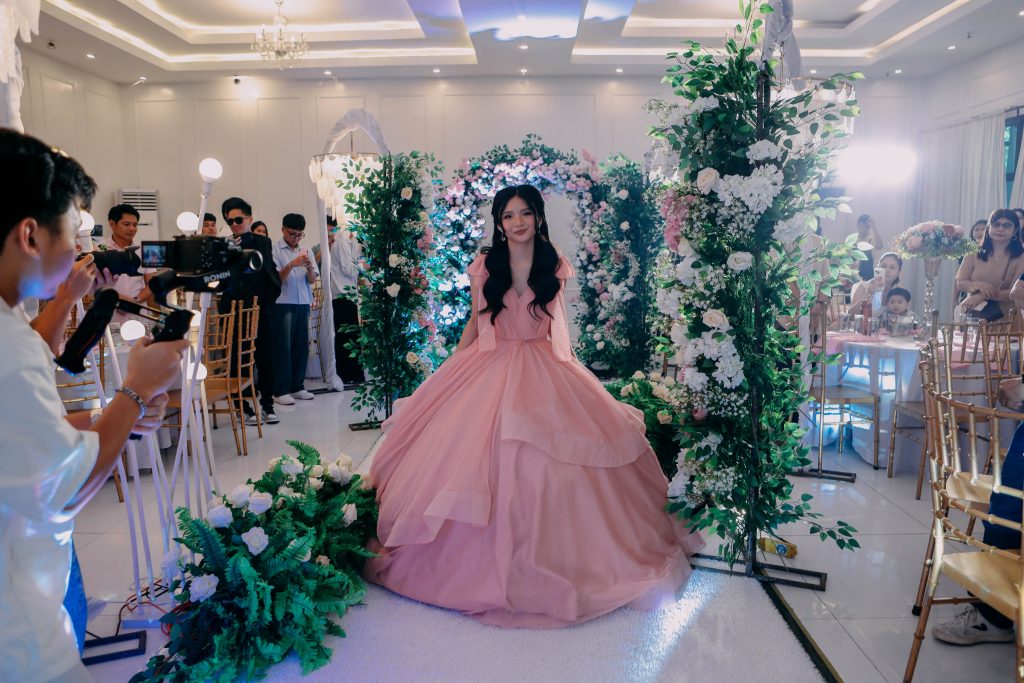
Ask the host or coordinator to alert the team before:
• Grand entrances
• First dances
• Speeches
• Cake cutting
• Award presentations
• Surprise performances
• Same-day edit screenings
A brief warning gives the team time to move and prepare.
Coordinate the preparation schedule with your hair and makeup team. Ask the stylist to complete major decorations before detail coverage begins. Tell the lighting crew which moments need clear facial lighting.
Poor coordination has consequences. A microphone test can interrupt vow recordings. Dim lighting can affect first dance photographs. An unfinished stage can appear in every wide venue image.
6. Share Your VIP and Family Information
Your photographers need context to recognize the people who matter most.
Create a reference page with names, roles, and practical notes. Include grandparents, principal sponsors, speakers, executives, relatives from abroad, and guests with limited mobility.
You may write:
• Photograph before the reception
• Leaving early
• Needs a seated portrait
• Include in the main family group
• Arriving after the ceremony
• Requires wheelchair access
Communicate sensitive family situations privately. Divorced parents may need separate combinations. Estranged relatives may prefer distance. Blended families may want several groupings.
Sharing these details prevents uncomfortable questions in front of guests. It also protects your limited portrait time.
7. Match Your Styling Schedule With Your Coverage Time
Late hair and makeup can affect the entire event schedule. Preparation photographs often receive the first time cut when styling runs over.
For weddings and debuts, reserve around 60 to 90 minutes for preparation coverage. Birthdays and smaller events may need 30 to 45 minutes.
Set a clear time when hair and makeup must finish. Add a buffer of at least 20 to 30 minutes.
This is a key part of how to prepare for wedding photographer Philippines coverage. When makeup ends too close to the ceremony, the team may lose time for outfit details, family interactions, portraits, and the first look.
Prepare all personal items
Before the photographer arrives, place these items together:
• Gown or outfit
• Shoes
• Rings
• Jewelry
• Invitation suite
• Bouquet
• Perfume
• Rosary
• Letters
• Keepsakes
Choose a clean area with good window light. Remove plastic bags, food containers, open luggage, and unrelated clothing from the background.
Ask your makeup artist to complete the primary subject first. Final touch-ups should happen before the portrait session begins.
8. Protect Time for Décor Photographs
Your décor represents hours of creative work and a significant part of your budget. Schedule enough time to document it while the venue is complete and untouched.
Ask the photography team to arrive before guests enter. Detail coverage usually needs around 20 to 40 minutes.

Tell your florist, stylist, and coordinator when the photographer plans to work. This allows them to complete the important areas first.
For family events, highlight sentimental details such as handmade favors, heirlooms, letters, family photographs, and religious items.
For corporate gatherings, list logo walls, sponsor displays, products, exhibit booths, programs, stage graphics, and awards.
These event photo preparation tips help preserve the work that guests may only see for a few hours.
9. Decide Your Social Media Rules
Discuss posting preferences before the event. Photographers often share previews, short videos, or preparation clips soon after coverage.
Decide whether the team may:
• Post on the event day
• Share previews the next day
• Tag your account
• Use your event hashtag
• Add images to their portfolio
• Publish photographs of your guests
Tell the team when approval is required. Put your decision in writing so everyone has a clear reference.
You should also choose a guest photography policy. Some couples request an unplugged ceremony so phones do not block the aisle or appear in professional images.
Ask your coordinator, host, or officiant to gently announce the rule. Place a sign near the entrance when appropriate.
Final 48 Hour Preparation
The final two days are ideal for checking what to do before event photography shoot arrangements.
- Confirm the photographer’s call time.
- Send the timeline, shot list, and venue notes in one document.
- Share all important mobile numbers.
- Report late program changes.
- Confirm parking and supplier access.
- Gather personal items for detail photographs.
- Prepare required permits or passes.
- Review family groupings with your point of contact.
- Sleep well before your celebration.
Rest matters more than many clients realize. Fatigue affects your mood, posture, patience, and expressions.
Let Your Team Focus on Your Story
Great event photographs come from awareness, preparation, and trust. When your team understands the schedule, family relationships, important details, and program cues, they can work calmly and capture your celebration more completely.
The flowers will eventually be taken down. The food will be served, the music will end, and your guests will return home. Your photographs and videos will continue telling the story.
Use this event photography checklist Philippines guide to prepare your information early. Review it with your coordinator, family, and coverage team before the event.
Our events team at Cimmaroon Photography treats event coverage as a shared process. Book a free planning consultation with us so you can guarantee the best celebration of your milestone.